
A newly filed court document claims the bullet that killed conservative commentator Charlie Kirk may not match the rifle allegedly used by suspect Tyler Robinson.
Robinson, 22, is currently facing capital murder charges and could receive the death penalty in connection with Kirk’s killing at Utah Valley University on September 10.
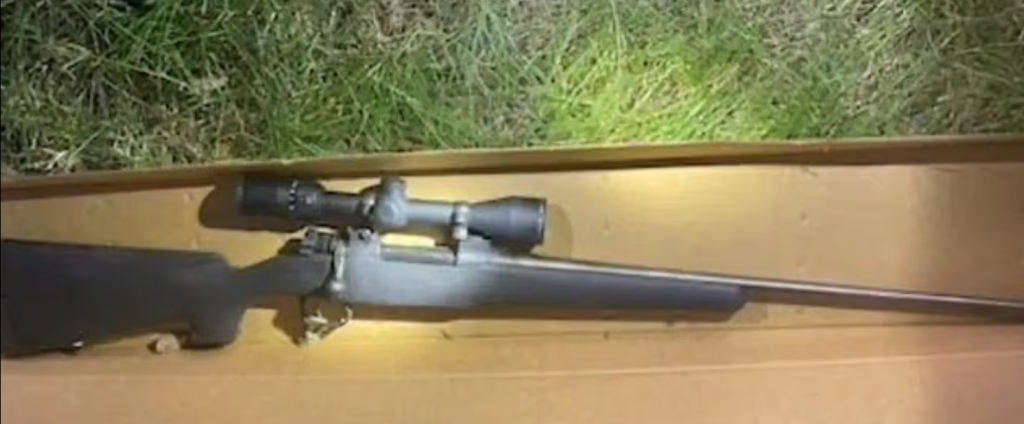
However, his defense attorneys argue that the Bureau of Alcohol, Tobacco, Firearms and Explosives (ATF) could not link the bullet recovered during the autopsy to the rifle authorities say belongs to Robinson.
In a motion filed Friday, the defense indicated they may present testimony from an ATF firearms analyst as exculpatory evidence. The filing also requests that the preliminary hearing be delayed by at least six months, according to reports.
The motion further highlights that DNA reports from both the Federal Bureau of Investigation (FBI) and the ATF require extensive analysis. Multiple DNA samples were reportedly found on several pieces of evidence, complicating the review process.
According to the filing, determining contributors to DNA mixtures—and verifying whether proper scientific procedures were followed—requires input from specialists such as forensic biologists, geneticists, system engineers, and statisticians.
Robinson’s legal team also noted they have received roughly 20,000 electronic files, including audio recordings, videos, and documents submitted by prosecutors as evidence.
“The defense team has devoted, and will continue to devote, significant resources to processing discovery,” the filing states, adding that identifying missing materials alone will require hundreds of hours of work.
Attorneys emphasized that Robinson has not yet been provided with all forensic case files and underlying data needed to properly examine the scientific evidence expected to be presented at the preliminary hearing.
Following a meeting with prosecutors on March 12, the defense anticipates the state will introduce several categories of evidence through three law enforcement witnesses. These include DNA and ballistic reports from the FBI and ATF, social media data, testimony from officers regarding the crime scene, and statements from Robinson’s parents and roommate. The defense also claims a substantial portion of the evidence may consist of hearsay from officers who will not testify.
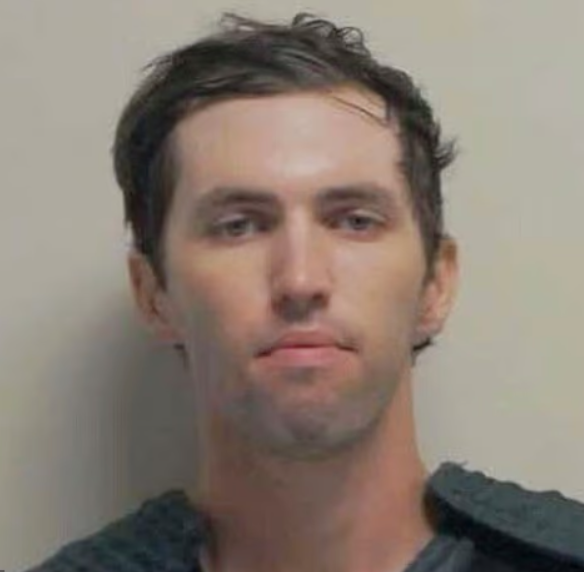
Prosecutors allege Robinson drove three hours from his home to Utah Valley University with the intent to kill Kirk, 31.
Authorities say Robinson was turned over to police by his father, Matt Robinson, after allegedly confessing to the crime. Matt reportedly recognized the rifle used in the attack as one belonging to his own father, which had been given to Tyler as a gift.
After identifying the weapon, Matt contacted his son and asked for a photo of it. Police say Robinson was unable to provide one.
Court documents also reveal text messages between Robinson and his roommate and partner, Lance Twiggs. In those messages, Robinson allegedly stated the rifle was the only piece of evidence he had left behind.
“If I am able to grab my rifle unseen, I will have left no evidence,” he reportedly wrote, adding that he intended to retrieve it but believed the area had been secured.
He also expressed concern about explaining the missing weapon to his father, writing that he may have to abandon it and hope no fingerprints were found.
Robinson allegedly ended the exchange by instructing Twiggs to delete their messages, noting that his father was attempting to contact him about the rifle.
Authorities say Robinson later confessed to his father, who then alerted law enforcement and helped secure his son before his arrest.
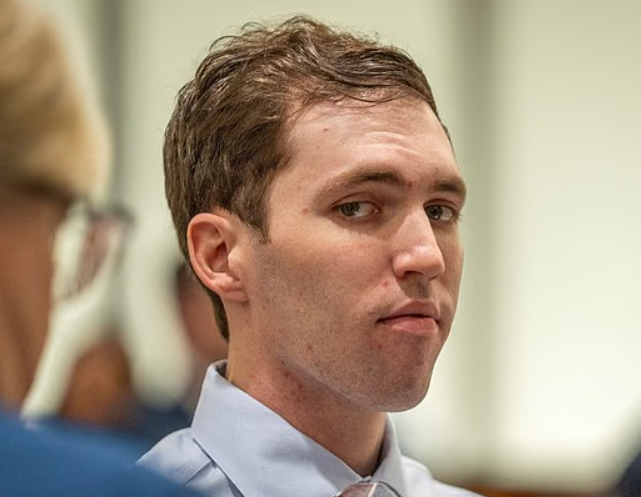
Friends of Robinson told the Washington Post they were shocked by the allegations. While they described him as someone who made extreme remarks about politicians while intoxicated, they said they had not seen signs of violent behavior.
Some acquaintances claimed he had been influenced by left-wing extremist views but did not believe he was capable of committing murder. One friend described him as someone who “loved his guns, loved his beer, and hated the government,” adding that he did not align with any political party despite being a registered voter.
Robinson is scheduled to return to court on April 17, where attorneys will argue over whether cameras and microphones should be allowed in the courtroom.
His defense team has also raised concerns about extensive pretrial publicity, noting that public commentary reached as high as the White House. Following Robinson’s arrest, President Donald Trump stated he hoped the suspect would receive the death penalty.
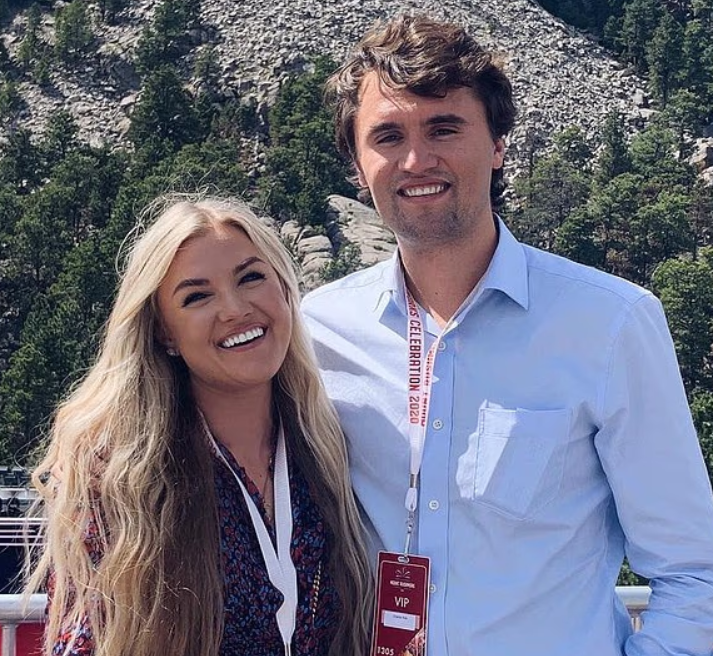
The defense is expected to present evidence they believe demonstrates prejudicial media coverage surrounding the case.
Meanwhile, Kirk’s widow, Erika Kirk, has called for transparency in the trial proceedings, stating that cameras should be permitted in the courtroom. She has also publicly forgiven Robinson for allegedly killing her husband.
 valentino