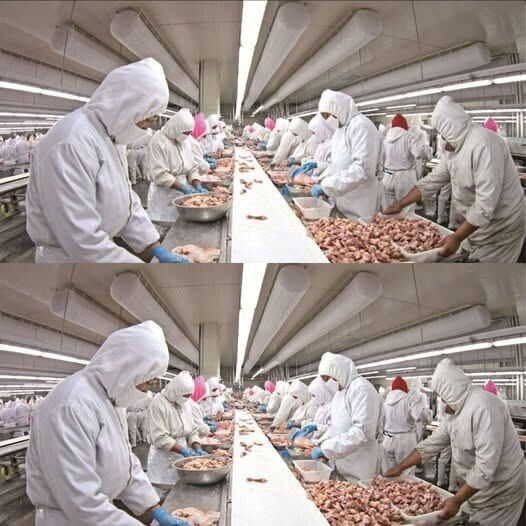
In today’s interconnected world, the food on our plates often comes from multiple countries and sometimes travels thousands of miles before reaching our kitchens. Thanks to global trade, consumers now enjoy year-round access to fruits, vegetables, seafood, sauces, spices, snacks, and packaged goods that were once seasonal or region-specific. This variety has changed the way people shop, cook, and experience different cultures through food.
While imported foods can offer convenience, affordability, and exciting flavors, they also remind us of the importance of paying closer attention to where our food comes from. Not every product is handled, stored, or regulated in the same way. Different countries may follow different farming practices, processing methods, labeling rules, and quality control standards. That does not mean imported foods are automatically unsafe, but it does mean consumers should be more informed before placing them in their shopping carts.
One of the first things to check is the label. A product’s country of origin, ingredient list, expiration date, storage instructions, and certification marks can tell you a lot. For example, packaged goods should have clear labeling, proper sealing, and no signs of damage or tampering. If a label is missing basic information or looks suspiciously unclear, it may be better to choose another option.
Seafood is one category where consumers should be especially careful. Fish and shrimp are among the most commonly imported foods, but freshness, freezing methods, and storage conditions matter a lot. When buying seafood, look for trusted sellers, proper refrigeration, and clear information about whether the product is wild-caught, farm-raised, fresh, or frozen. A strong odor, strange texture, or damaged packaging can be a warning sign.
Fruits and vegetables are another major imported category. Many are shipped long distances so consumers can enjoy them outside their natural season. Bananas, avocados, berries, citrus fruits, and grapes are common examples. Before eating them, wash them thoroughly, even if you plan to peel them. This helps remove dirt, pesticide residue, and bacteria that may be present from handling and transportation.
Spices, sauces, and canned goods also deserve attention. Imported spices can bring rich flavor to meals, but they should be bought from reputable brands or stores with good turnover. Old or poorly stored spices may lose quality or become contaminated. Canned products should never be purchased if the can is swollen, rusted, leaking, or badly dented, as this may indicate a safety issue.
Consumers should also be aware of overly cheap products. Low prices can be attractive, especially during times when food costs are rising, but unusually cheap imported foods may sometimes come with compromises in quality. This does not mean expensive always equals better, but price should be considered together with the brand, packaging, seller reputation, and product condition.
Another smart habit is checking for food recalls or safety alerts, especially for products you buy regularly. Many countries have food safety agencies that publish recall notices when contamination, mislabeling, or allergen risks are discovered. This is particularly important for families with children, elderly people, pregnant women, or anyone with allergies or weakened immunity.
Imported food is not something to fear. In fact, much of it is safe, nutritious, and enjoyable when purchased carefully. The goal is not to avoid global products, but to become a smarter buyer. A few simple habits — reading labels, checking packaging, washing produce, buying from trusted stores, and paying attention to storage — can make a big difference.
In the end, food is more than just something we consume. It is connected to farming, transportation, trade, health, and trust. The more consumers understand the journey behind imported foods, the better choices they can make for themselves and their families. Convenience is valuable, but awareness is what turns everyday shopping into a safer and more confident decision.