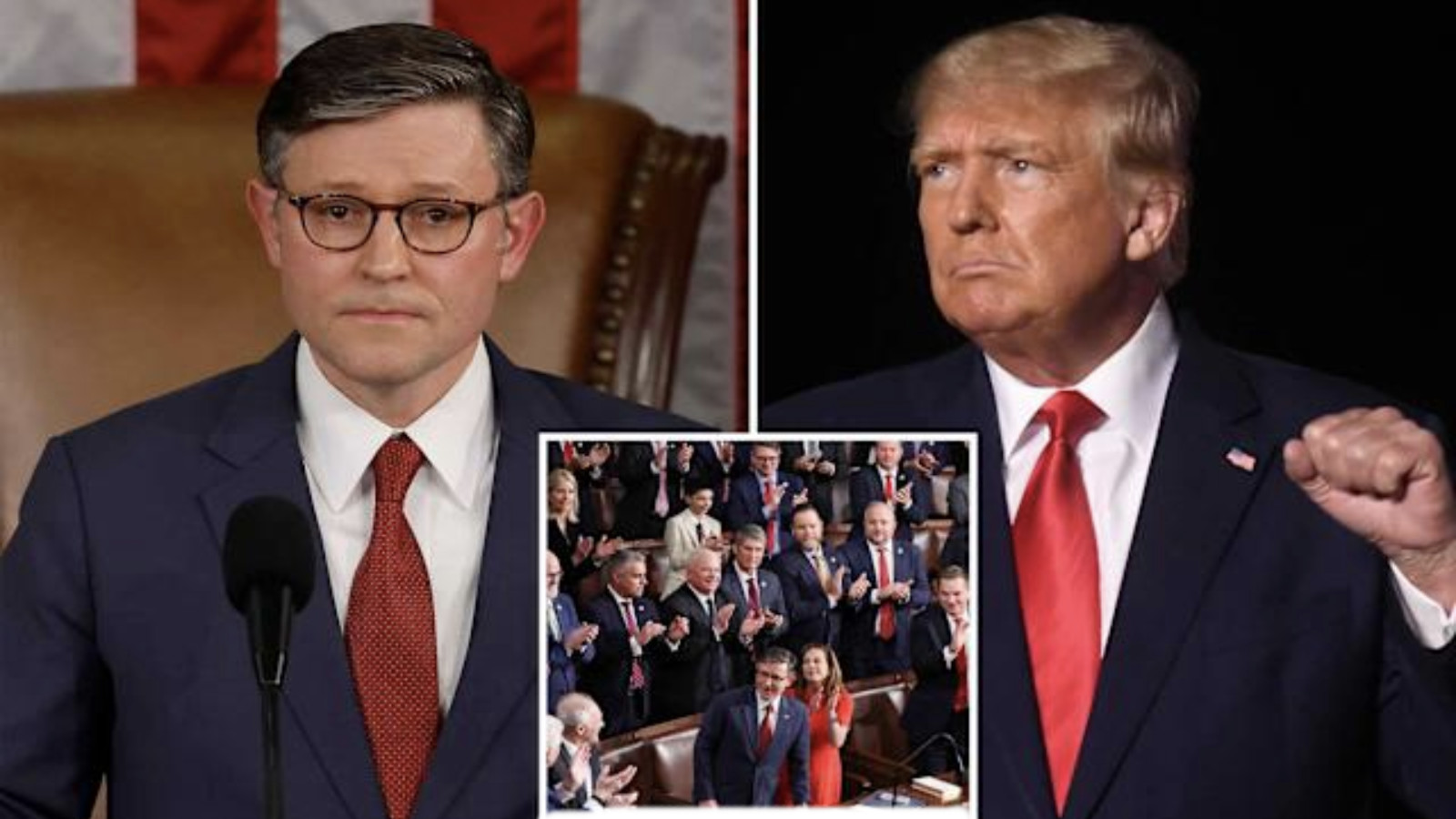
The House of Representatives has passed a funding measure for the Department of Homeland Security, sending the legislation to Donald Trump’s desk and moving to end a shutdown that has stretched for more than two months.
Lawmakers approved the bill by voice vote on April 30, clearing a path to restore funding for several key DHS agencies, including the Secret Service and the Transportation Security Administration. The shutdown, which began on Feb. 14, had raised growing concerns about national security operations, airport staffing, and the stability of essential federal services.
Notably, the legislation does not include funding for Immigration and Customs Enforcement or U.S. Border Patrol. That omission reflects an ongoing dispute between Republicans and Democrats over immigration enforcement policy, which remains unresolved and is expected to be addressed separately.
House Speaker Mike Johnson defended the approach, emphasizing that Republican leadership is coordinating closely with the White House despite earlier criticism of the bill from within the party.
“We’re all one team. We’re working together,” Johnson told reporters, pushing back on suggestions of a divide between House Republicans and the administration.
Republicans plan to pursue funding for ICE and Border Patrol through the budget reconciliation process, which would allow them to bypass the Senate’s 60-vote threshold for most legislation. That strategy could enable the majority party to move immigration enforcement funding without needing Democratic support, though it may intensify partisan tensions.
Democrats had sought to tie DHS funding to changes in immigration enforcement practices, including requiring agents to operate without face coverings and to display identification.
Those proposals gained traction following a controversial incident in Minneapolis involving immigration agents that resulted in the deaths of two U.S. citizens. However, those provisions were not included in the final House-passed measure.
The urgency around DHS funding has grown in recent days, particularly after a security incident at the White House Correspondents’ Association dinner.
Prosecutors allege a suspect attempted to target government officials at the event, prompting renewed calls to ensure full funding for federal protective services.
At the same time, the White House Office of Management and Budget has warned that existing stopgap funding measures are nearing exhaustion. Without congressional action, officials said, DHS could face difficulty paying personnel, including TSA officers, potentially disrupting airport operations and other critical services.
The department’s financial strain has already had visible effects. According to industry groups, more than 1,000 TSA officers have resigned during the shutdown period, raising concerns about staffing shortages and longer wait times for travelers. Payroll costs for DHS exceed $1.6 billion every two weeks, underscoring the scale of the funding challenge.
John Thune, the Senate majority leader, has been involved in discussions with House leadership as both chambers worked to resolve the impasse. The Senate had previously approved funding for certain DHS functions unanimously, increasing pressure on the House to act before the situation worsened.
The final passage of the bill followed a shift in strategy by House Republicans. Johnson had previously dismissed earlier versions of the legislation but later supported a revised approach that separates broader DHS funding from the more contentious immigration enforcement debate. A related budget resolution passed the House earlier in the week, outlining plans to allocate tens of billions of dollars toward immigration enforcement through the remainder of Trump’s term.
For now, the immediate effect of the bill is to restore funding for core DHS operations and bring an end to the shutdown. However, the broader fight over immigration policy—and how to fund enforcement agencies—remains unresolved and is likely to return to the forefront in the coming weeks.
As Congress prepares to leave Washington for a scheduled recess, attention will shift to whet