
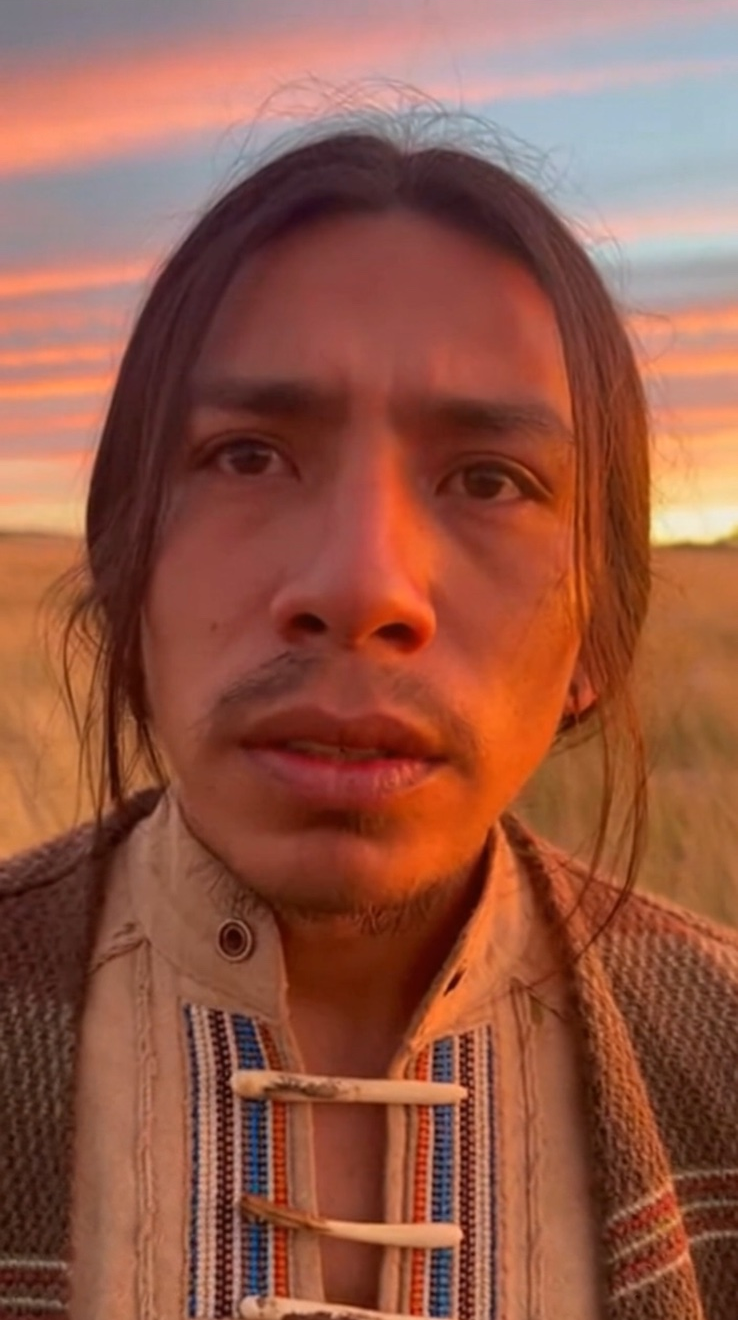
I grew up hearing my family speak about certain places with a kind of pain I did not understand as a child. They would say the names softly, almost with reverence, like those places were not just parts of the earth but living members of our family. My grandfather was especially quiet whenever the subject came up. He was a strong man in every way I knew strength. He worked hard, never complained, and carried himself with the kind of dignity that made everyone around him stand a little straighter. That is why I never expected to see him cry. But one evening, when I was still young, he called me over and told me there was something I needed to understand about our family, our history, and the land beneath our feet.
The next morning, he took me on a drive far from home. He did not talk much, and the silence in the car felt heavier than anything I had ever felt before. When we arrived, I saw only open land, tall grass, and a hill beneath a wide sky. It looked beautiful, but ordinary. My grandfather stepped out slowly, removed his hat, and stared at the ground for a long moment. Then his eyes filled with tears. He said that our family had once belonged to that place in a way papers and borders could never understand. He told me our people had gathered there, prayed there, raised children there, and buried loved ones there. To outsiders it might have looked like empty land. To us, it was memory, belonging, and spirit.
He explained that one day men came with rules, documents, and claims that meant nothing to the people already living there. They called it ownership. They called it law. But my grandfather said there was nothing lawful about taking something sacred from people who had loved and protected it for generations. He told me the real wound was not only losing the land. It was the humiliation of being told that our grief did not matter, that our bond to that place was invisible, and that history could be rewritten by people who had never once listened to our voices. As he spoke, I realized I was standing in a place where silence itself felt wounded.
For years after that day, I carried his words without fully understanding them. But as I got older, I began to see how deeply that loss had shaped my family. The sadness I heard in certain conversations, the anger hidden behind dignity, the way older relatives would go quiet when certain places were mentioned — it all came from the same wound. We had not only lost ground. We had lost access to memory, ceremony, and continuity. Still, I also began to understand something else. The fact that my grandfather brought me there meant he was refusing to let that history die. He was handing me the truth, even though it hurt, because remembering was its own kind of resistance.
Now when I think about that day, I do not only remember his tears. I remember the responsibility inside them. He was not asking me to live in bitterness. He was asking me to carry memory honestly and speak when others would rather we remain silent. That hill is more than a place to me now. It is proof that loss can travel across generations, but so can truth. I tell this story because too many people think stolen land is just a political phrase or an old chapter in a history book. For families like mine, it is still alive. It lives in the way we remember, the way we mourn, and the way we keep speaking even after so much was taken.